

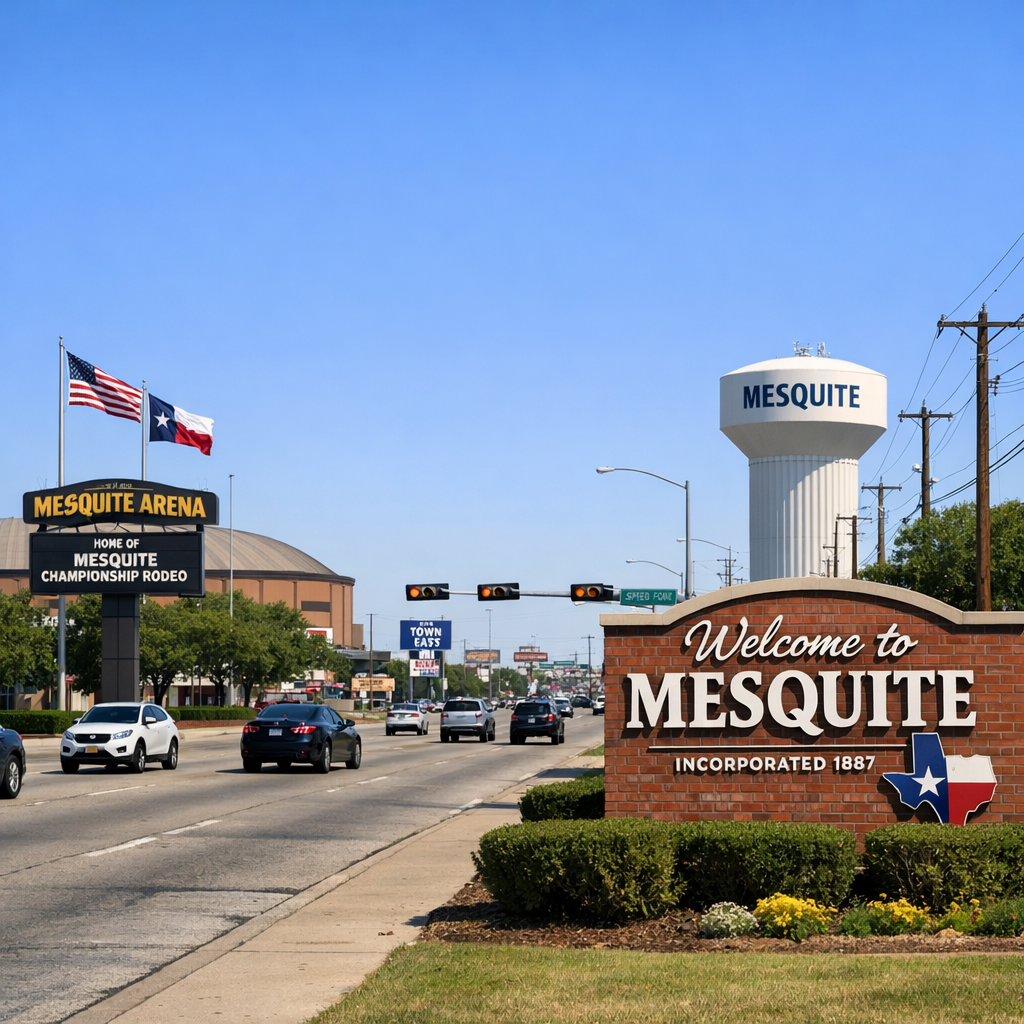
Mesquite, Texas, experiences a humid subtropical climate characterized by hot summers and mild winters. Understanding these patterns is essential for residents to prepare for seasonal changes and environmental challenges.
Seasonal Overview
Summer
Summers in Mesquite are notably hot and humid. Average high temperatures in July and August reach between 95°F and 97°F, with triple-digit days being common. Air conditioning is essential during this period.
Winter
Winters are mild compared to national standards. January highs average in the upper 50s, with lows occasionally dipping below freezing. Ice storms, rather than snowstorms, pose the main winter hazard and can disrupt power and road conditions.
Spring and Fall
Both seasons offer pleasant temperatures, making them ideal for outdoor activities. However, spring can bring severe weather, including thunderstorms and occasional tornadoes.
Environmental Considerations
Air Quality
Mesquite’s air quality is generally good, with an average Air Quality Index (AQI) of 45.4, slightly higher than the national average of 41.4. Residents should stay informed about daily AQI levels, especially during periods of increased pollution.
Water Quality
Water tests have indicated concerning conditions across key measures. It’s advisable for residents to stay updated on local water quality reports and consider appropriate filtration systems if necessary.
Climate Change Risks
Mesquite faces increased risks from heat, drought, and precipitation due to climate change. Projections indicate a rise in the number of extremely hot days and heightened drought conditions. Residents should adopt water conservation practices and stay informed about local climate initiatives.
Conclusion
By understanding Mesquite’s climate and environmental factors, residents can better prepare for seasonal changes and contribute to the community’s resilience against environmental challenges.