
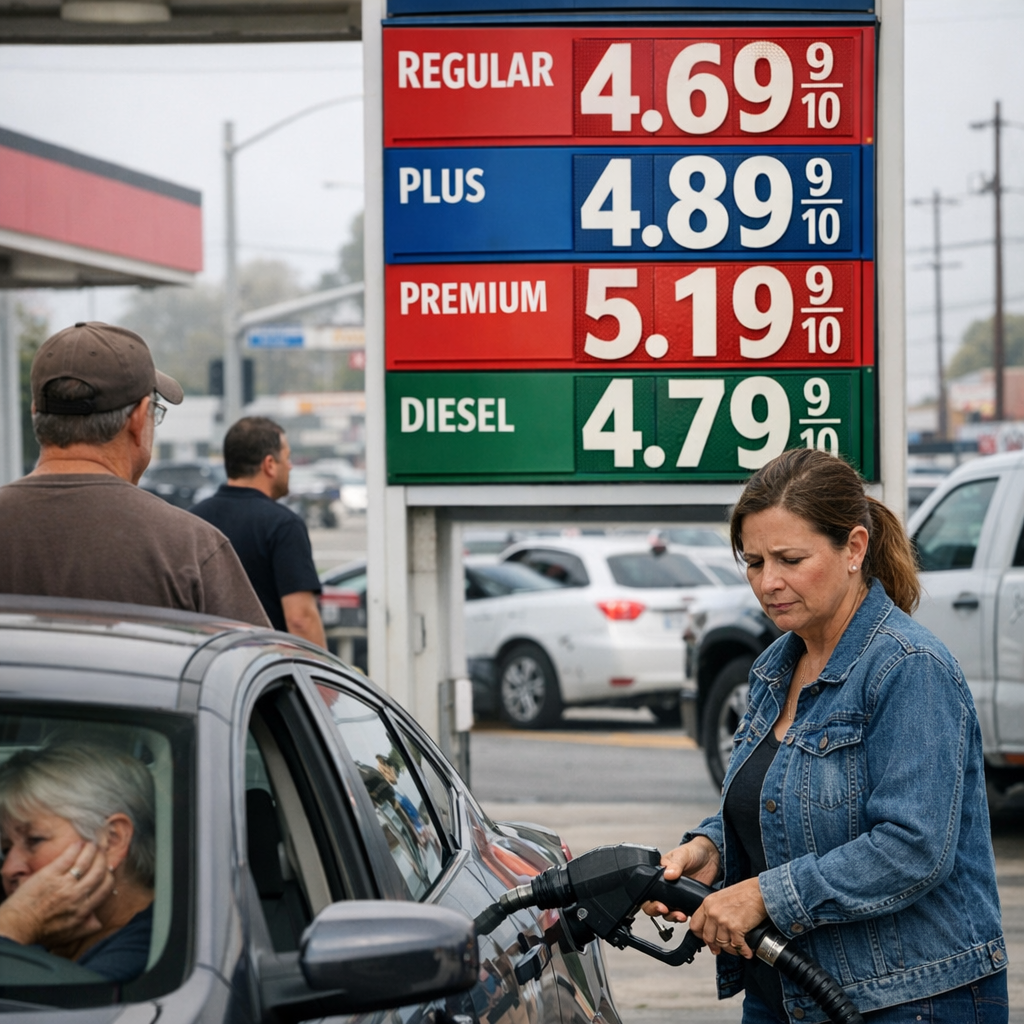
As inflation climbs to 4.2%, the highest in three years, many Americans are feeling the financial pinch. This surge is largely attributed to escalating energy prices, a consequence of the ongoing conflict in Iran. The closure of the Strait of Hormuz has disrupted oil supplies, leading to gas prices exceeding $4.50 per gallon nationally and over $5 in several states.
Households are adapting by cutting back on discretionary spending and dipping into savings. Some are turning to more affordable shopping options to manage daily expenses. Despite these efforts, the rising cost of living remains a significant concern.
President Donald Trump has acknowledged the inflation data, emphasizing that energy prices are a temporary factor. However, his approval ratings have taken a hit, with only 29% of Americans approving of his economic management, marking a record low during his two terms. This dissatisfaction is further reflected in the 70% disapproval rating regarding his handling of the cost-of-living crisis.
The Federal Reserve, under new Chair Kevin Warsh, is expected to hold interest rates steady for now but may consider future hikes to combat persistent inflation. Businesses are also feeling the strain, with higher costs and tariffs imposed in 2025 leading to cutbacks and changes in consumer behavior.
Despite these challenges, job growth remains strong, potentially delaying any immediate Federal Reserve rate cuts. As the midterm elections approach, the economy is poised to be a critical battleground, with both parties vying to address the pressing financial concerns of the American public.